



cucumber
Cucumis sativus L. is an annual climbing herbaceous plant in the Cucurbitaceae family, with a slender and rough hairy stem; The leaves are broadly ovate heart-shaped or lobed triangular in shape; The flowers are slightly soft and yellow white in color; The fruit is oblong or cylindrical in shape and turns yellow green when ripe; The seeds are narrow oval white in color; The flowering and fruiting period is in summer. Cucumbers were brought back by Zhang Qian during his mission to the Western Regions in the Han Dynasty. Shi Le, the founder of the Later Zhao Dynasty, strictly prohibited the use of the character "Hu", and Hu Gua was renamed Cucumber.

Cabbage
Cabbage originated in the Mediterranean and was introduced into China from the north and south in the middle of the 16th century. It is now cultivated in all parts of China. It likes mild and cold climate, is not resistant to heat, drought and water stains, and requires loose and fertile soil types, which are suitable for growing in gardens with good drainage and fertile soil. The propagation method of cabbage is seed propagation.
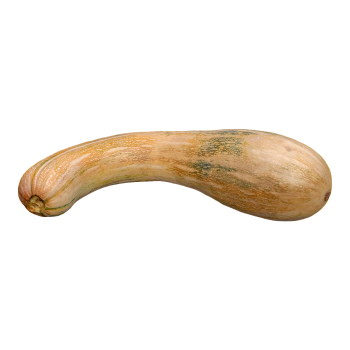
Pumpkin
Pumpkin is native to Mexico and Central America. It is widely cultivated all over the world. It was introduced into China in the Ming Dynasty and is now widely planted in the north and south. Pumpkin is rich in dietary fiber, can promote gastrointestinal motility, help food digestion. Pumpkin once became one of the main foods of the people in the year of famine. Pumpkin is also an important food for Thanksgiving in the United States. Golden pumpkin pie and pumpkin cake bring warmth to people.

a white radish
Turnip, a biennial or annual herb of the genus Brassicaceae, with fleshy, oblong or conical roots and a green, white or red skin. Radish is native to the southwest of Asia; it is now widely cultivated in various parts of China; it is also distributed in Korea, Japan and other places; it was introduced into the European continent from Iran in the 10th century AD, and radish was introduced into China from Iran in the 13th century.

red onion
Red onion, also known as onion, onion, onion and onion, is known as the "queen of vegetables" abroad, and its nutritional value is not low. Red onion onion is purplish red in appearance, with fleshy scales slightly reddish, oblate or spherical, 8~10cm in diameter. It is reported that onions are the most able to prevent bone loss of a vegetable, and cooking simple, delicious.

Italian long pumpkin 3D fruit and vegetable model

Popular Models
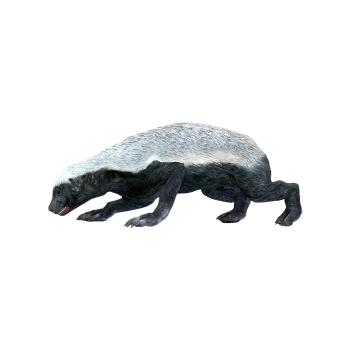
Honey Badger (3D animated model)
199 View
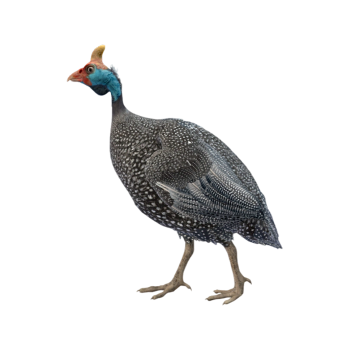
Guinea fowl (3D animated model)
168 View
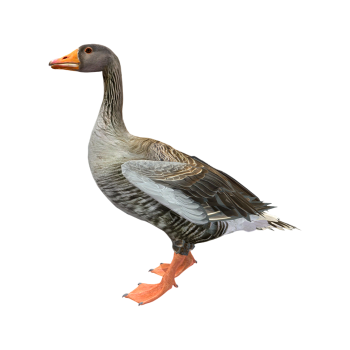
Wild Goose (3D animated model)
190 View
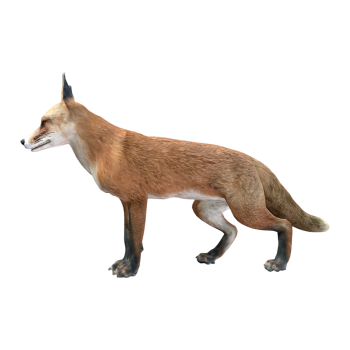
Red Fox (3D animated model)
158 View
Random Model

Blackboard
430 View

Portrait of Guan Yu Riding a Horse
1186 View

Carved bronze bracelet
837 View

Tires
612 View

Ilford Town Scene, UK
918 View
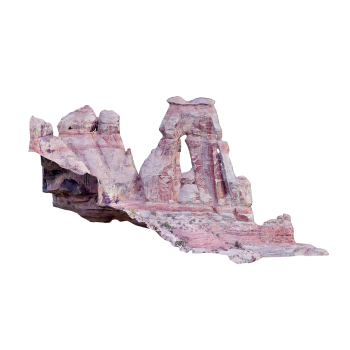
Utah Druid Arch
847 View

Vertical projector
1352 View


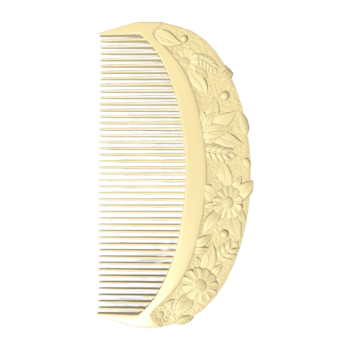
Antique ivory hair comb
769 View